The word "luxury" has been emptied of meaning by overuse. Every airline lounge, every hotel with a thread count above four hundred, every restaurant with a tasting menu claims it. But among a certain class of traveler — those for whom the world is not a checklist but a conversation — luxury has been quietly redefined. It no longer means the most expensive. It means the most personal. It means the experience that could not have happened to anyone else, because it was designed, from first principle, for you.
The Rise of the Travel Architect
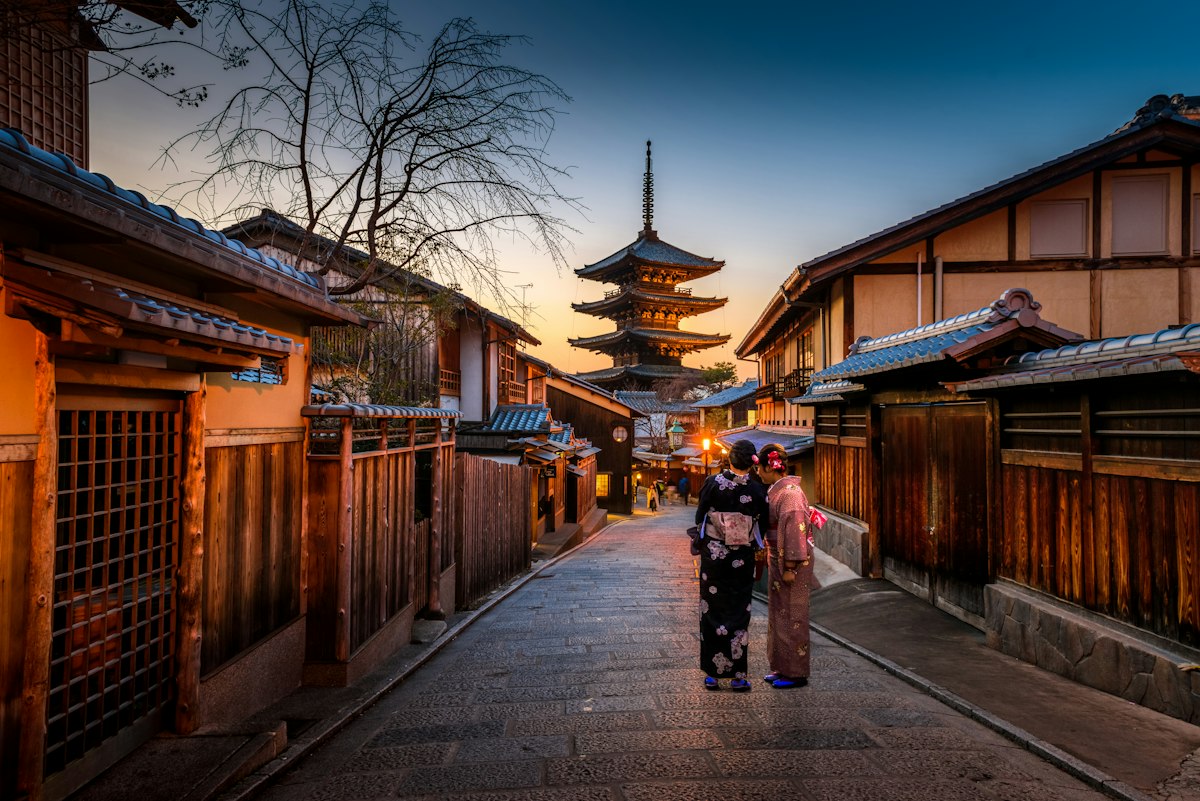
The travel industry's most significant shift in the past decade has been the emergence of what might be called the travel architect — part concierge, part cultural anthropologist, part logistical genius. These are the people who arrange for you to dine in the private library of a Venetian palazzo with a historian who specializes in the Republic's spice trade, or who secure an invitation to a closed rehearsal at the Berliner Philharmoniker, or who know that the best way to understand Tokyo is not through its restaurants but through a dawn visit to Tsukiji with a third-generation tuna broker. They do not sell trips. They design encounters.
"The future of luxury travel is not about where you go. It is about who you become while you are there."
Principles of Bespoke Travel
Bespoke travel operates on several principles that distinguish it from conventional luxury. First, it prioritizes access over accommodation — the hotel matters less than what happens outside it. Second, it values depth over breadth — three days in one neighborhood, fully inhabited, over ten cities in two weeks. Third, it embraces friction — the unplanned detour, the language barrier navigated with gestures, the restaurant discovered by following a local's recommendation down an unmarked alley. These are the moments that transform a trip into a story, and a story into a memory that reshapes how you see the world.
The traveler's guide to bespoke experiences is, in the end, quite simple: know what you love, find people who love it more deeply, and ask them to show you why. The rest — the logistics, the flights, the reservations — is merely scaffolding. What remains, long after the luggage is unpacked and the photographs are filed, is the irreplaceable sensation of having been somewhere not as a tourist, but as a participant in something larger than yourself.