There is a particular quality of light in Kyoto during the early morning hours — a soft, silvered luminance that filters through bamboo groves and slides across the surface of temple ponds with the patience of centuries. It is in these quiet moments, before the tour buses arrive and the selfie sticks emerge, that one begins to understand why this city has inspired poets, monks, and wanderers for over a thousand years.
The Rhythm of the Machiya
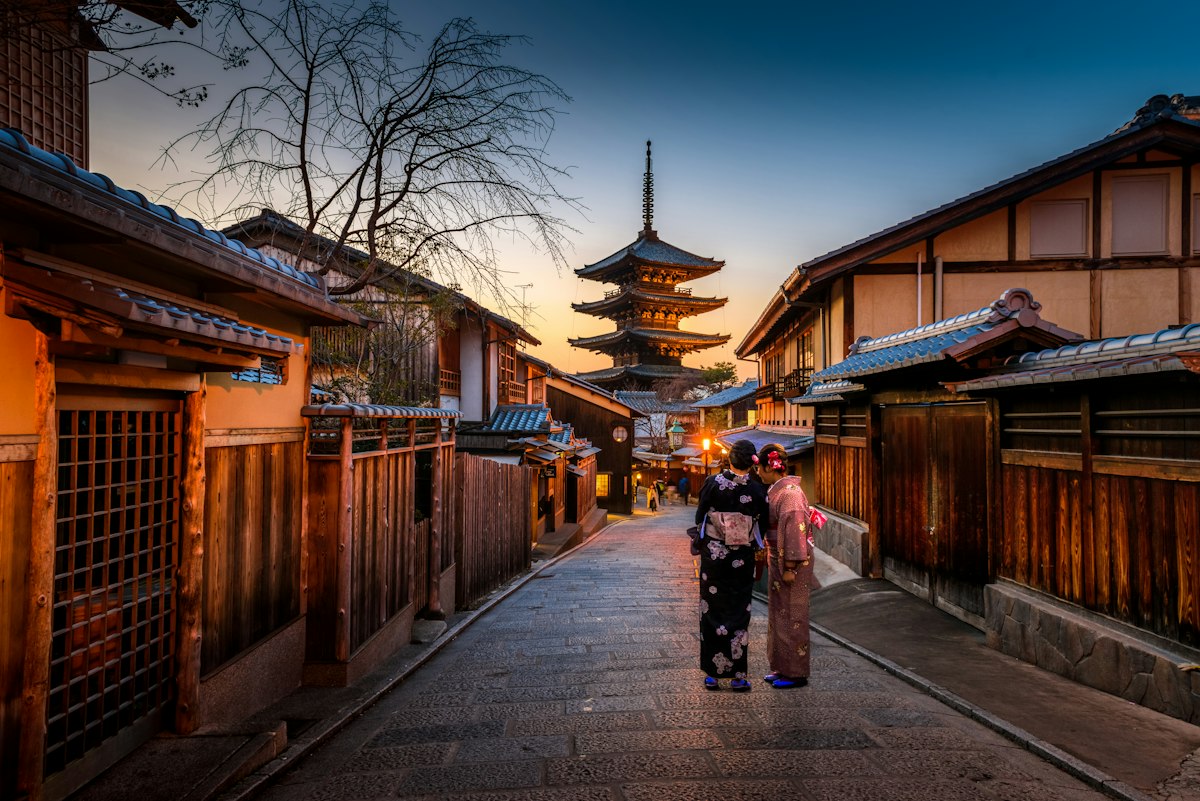
To truly inhabit Kyoto, one must abandon the itinerary. Stay in a restored machiya — one of the narrow wooden townhouses that line the backstreets of Higashiyama — and let the city's rhythms become your own. Wake to the distant clang of temple bells. Watch your host prepare matcha with movements so precise they border on choreography. Step into the garden, no larger than a dining table, and notice how every stone, every branch of black pine, has been placed with the care of a jeweler setting diamonds.
"In Kyoto, time does not pass. It accumulates — in the patina of a lacquer bowl, in the curve of a temple roof, in the silence between the notes of a shakuhachi."
The Hidden Temples
Beyond the gilded pavilions and vermilion torii gates that crowd every guidebook, there exists another Kyoto — one of moss-covered sub-temples accessible only by appointment, of tea ceremonies conducted in rooms that haven't changed since the Muromachi period, of kaiseki dinners served on ceramics older than most European nations. At Tofuku-ji's sub-temple Funda-in, a private viewing of the rock garden reveals a landscape that Mirei Shigemori designed as an abstraction of the cosmos. You sit on the wooden engawa, and the raked gravel seems to breathe.
The art of slow travel in Kyoto is not about seeing less — it is about seeing differently. It is the understanding that a single afternoon spent watching a fourth-generation wagashi confectioner shape nerikiri into the form of a plum blossom contains more genuine luxury than any five-star amenity list could offer. This is travel as transformation, and Kyoto is its greatest stage.