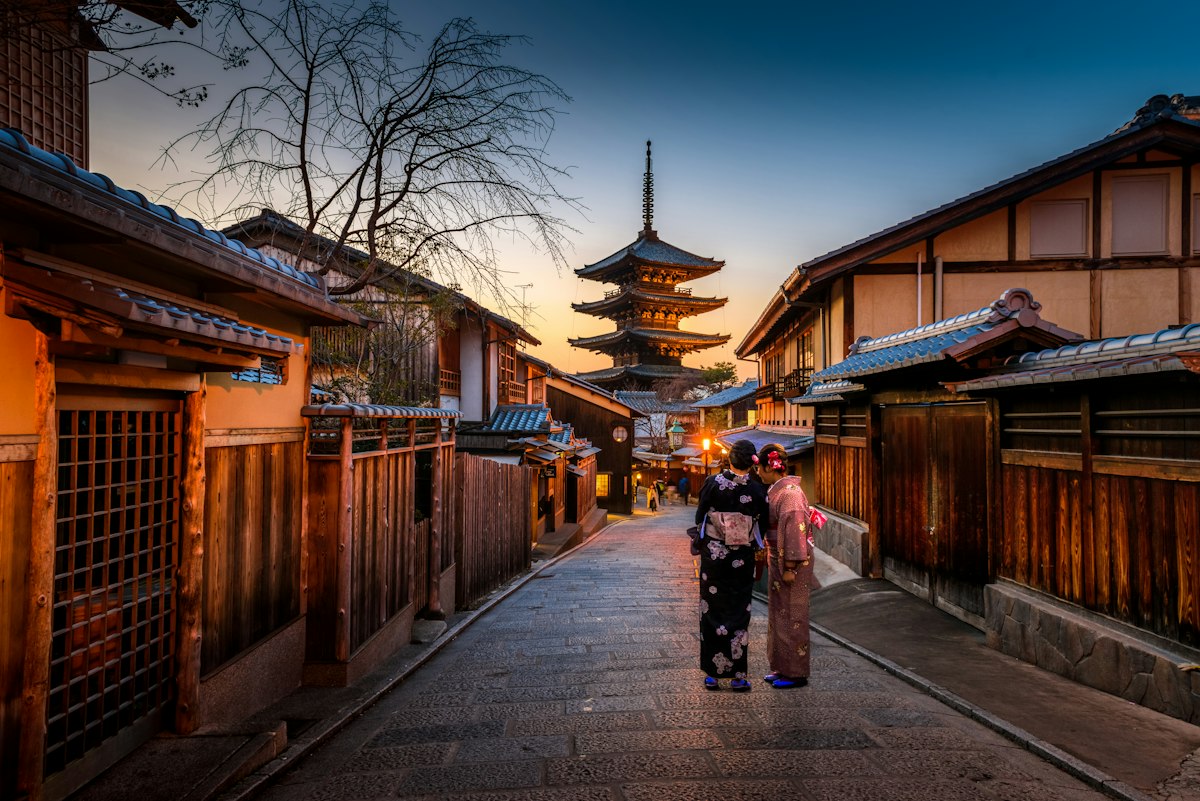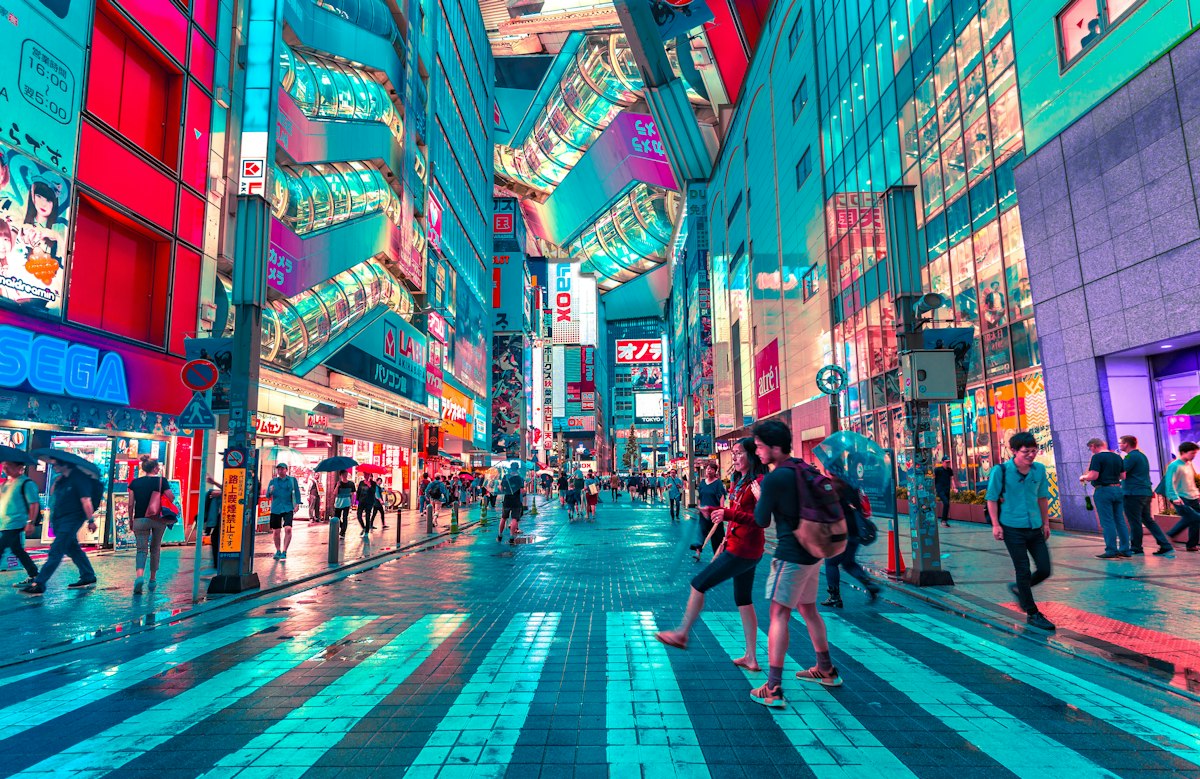
Tokyo operates at a frequency that can overwhelm the uninitiated. The Shibuya crossing alone processes three thousand people per light change; the Yamanote Line runs at two-minute intervals during rush hour with a punctuality measured in seconds; and the neon-saturated streets of Shinjuku generate a sensory load that would exhaust a less resilient city. Yet within this kinetic metropolis exists a parallel Tokyo — one of profound stillness, deliberate beauty, and wellness practices refined over centuries.
The Sento and Onsen Tradition
Tokyo's public bathhouses — the sento — are among the city's most underappreciated treasures. At Daikoku-yu in Sumida, a neighborhood sento built in 1927 with the soaring roof of a Buddhist temple, you soak in mineral-rich water heated to precisely 44 degrees while gazing at a painted mural of Mount Fuji that covers the entire back wall. The ritual is unchanged: wash thoroughly before entering, sit on a low stool, pour water over yourself from a wooden bucket, then sink into the communal bath until the city's voltage drains from your muscles. For ¥520 — roughly four dollars — you access a tradition that no spa package can replicate.
"Tokyo's greatest luxury is not its Michelin stars or its fashion districts. It is the city's ancient understanding that wellness is not an indulgence but a discipline — woven into the fabric of daily life."
Shinrin-yoku: The Forest Bath
The concept of shinrin-yoku — forest bathing — was developed in Japan in the 1980s as a physiological response to the stress of urban life. Today, within ninety minutes of Tokyo Station, the forests of Okutama and Chichibu offer guided forest therapy walks where the only instruction is to slow down, breathe, and let the phytoncides released by the Japanese cedar and hinoki cypress work their clinically proven effects on cortisol levels and blood pressure. The experience is not hiking — it is the opposite of hiking. It is the deliberate act of going nowhere, slowly, in the company of trees.
Urban wellness in Tokyo is not a trend. It is a tradition — one that teaches the most important lesson any city can offer: that the antidote to overstimulation is not escape but attention. The city does not ask you to leave. It asks you to look more carefully at what was always there.